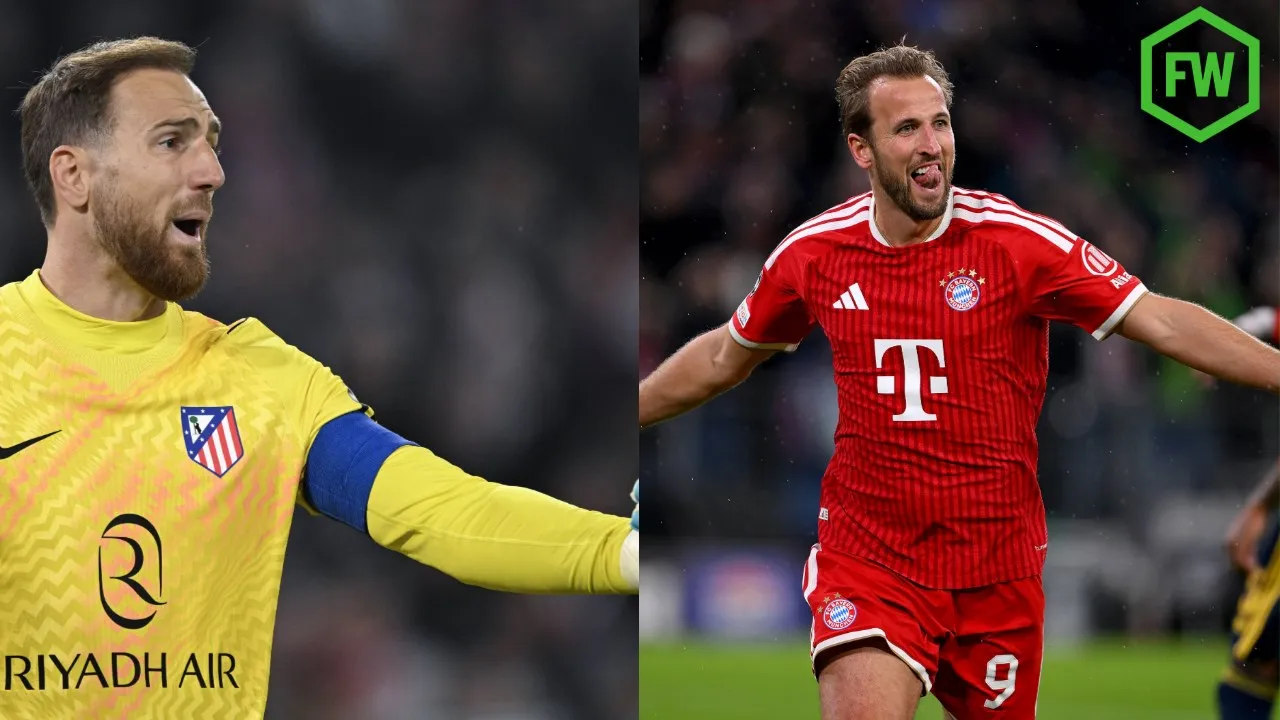
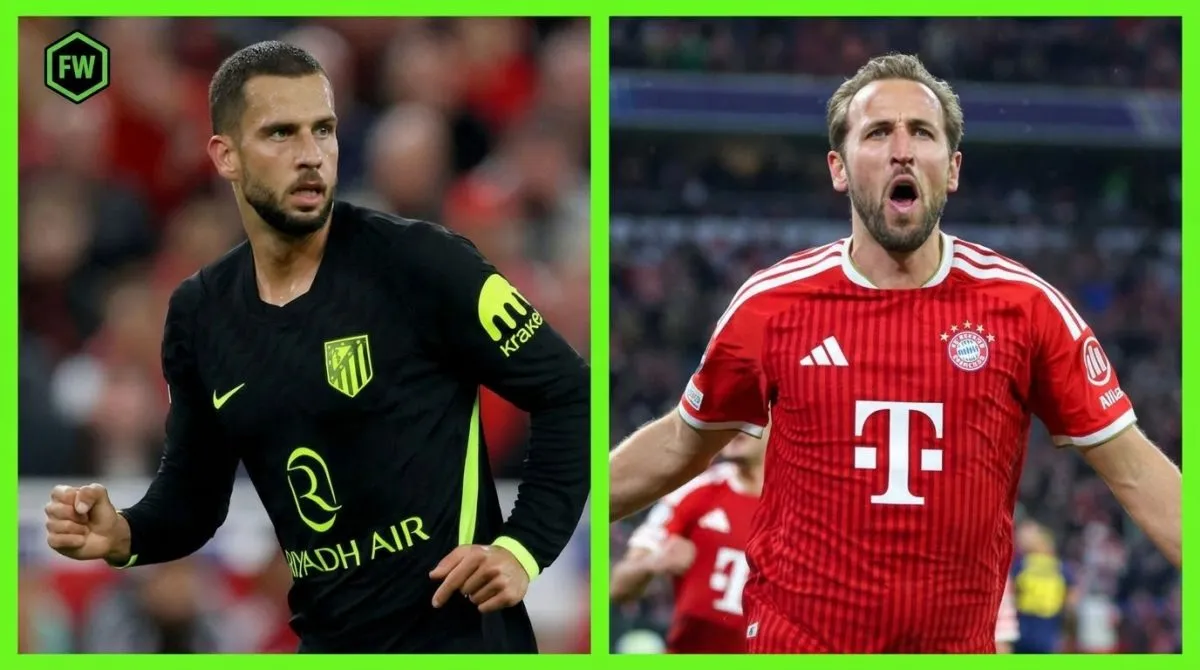
Atletico Madrid will take on Bayern Munich on Tuesday, 3 November, in a clash between two of the best-performing teams in Europe.
The hosts are currently in second place in La Liga, after picking up 29 points from a possible 33, while Bayern Munich are top of the Bundesliga after picking up 18 points from a possible 24.
Fresh off his Ballon d'Or win, Harry Kane will be keen to remind everyone why he is now officially the best footballer on the planet. Meanwhile, Atletico's star striker, Julian Alvarez, is only just starting to get going after failing to secure a summer move to Barcelona.
Here, Football Whispers compares Kane and Alvarez statistically ahead of their meeting tomorrow, using data from the 2026-27 season so far.




Julian Alvarez and Harry Kane: How do they compare?
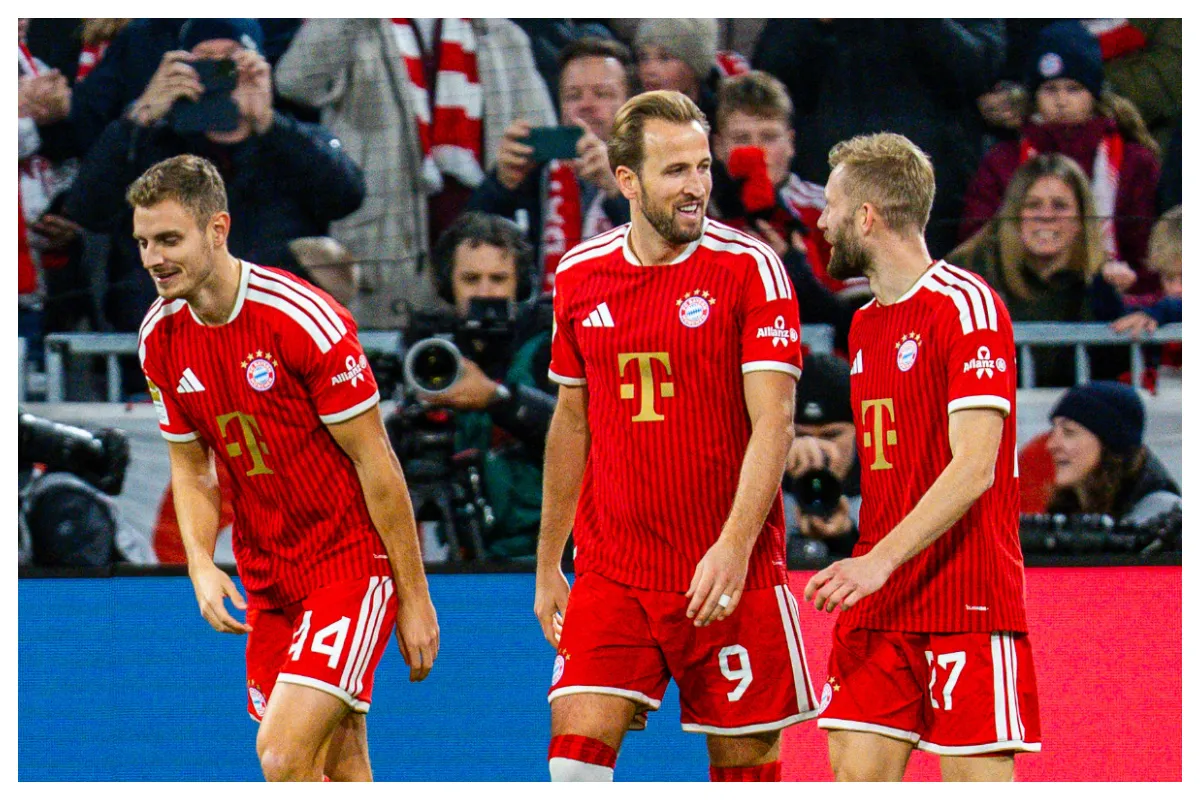
Harry Kane has enjoyed a much stronger start to the season than Alvarez, and much of that can be attributed to the stability Kane has in Bavaria.
He has no desire to leave the club, and everything is built around him. This is at odds with Alvarez, who was desperate to join Barcelona in the summer and plays in a system that is all about players working as a unit rather than individuality.
Kane has scored four goals to Alvarez's one in their respective leagues, albeit in nearly double the minutes. His xG is also significantly higher (6.44 to 1.85), pointing to a) Kane's phenomenal ability to create separation from defenders and b) the talent around him.
One area in which Alvarez has been superior to Kane this season has been shot accuracy. The Argentinian has a shot-on-target percentage of 43.8%, compared to Kane, who boasts a 27% shot-on-target percentage.
The most logical explanation for this discrepancy is that Alvarez has taken far fewer shots than Kane so far this season (16-37), making it easier for Alvarez to have a higher ‘on target' percentage.
Away from finishing, Alvarez has better numbers than Kane. He attempts more dribbles (21-11) and is more successful when doing so (66.7% – 45.5%). Surprisingly, Alvarez has a higher pass completion percentage than the Englishman, too, although that could be because Kane generally attempts riskier passes.