The easiest way to calculate the lottery is to count every unique ticket or number combination the rules allow. For a game with a bonus ball, multiply by the bonus field number size (24 in Mega Millions). You can then turn that total count into the “1 in X” odds notation.
Combinatorics does the counting with the formula C(n, k), read as ‘n choose k’. Order doesn’t matter, so 1-2-3-4-5 and 5-4-3-2-1 are the same ticket. A factorial (n!) multiplies a whole number by every whole number below it, so 5! = 120. The full formula is n! ÷ (k! × (n – k)!).
Powerball Example: 4 Steps to the Jackpot Odds
Off the back of that, here’s a step-by-step on how to calculate the Powerball jackpot odds:
1) Set the number field and pick-size: As per the Powerball guide, you choose 5 white balls from 1-69, so n = 69 and k = 5.
2) Count the white-ball number combinations: 69 × 68 × 67 × 66 × 65 ÷ 120 = 11,238,513.
3) Multiply by the 26 red Powerball options: 11,238,513 × 26 = 292,201,338.
4) Write the result in “1 in x” odds notation: 1 in 292,201,338, which matches the official figure verified in November 2026.
Bonus step: The overall odds add the probability of all 9 prize tiers, then flip the total back into 1 in X. That sum gives Powerball its official 1 in 24.87.
The Same Formula Works For All Lottery Games
The same counting formula works for any lottery game, from Powerball to a $1 state draw game, based on their number fields:
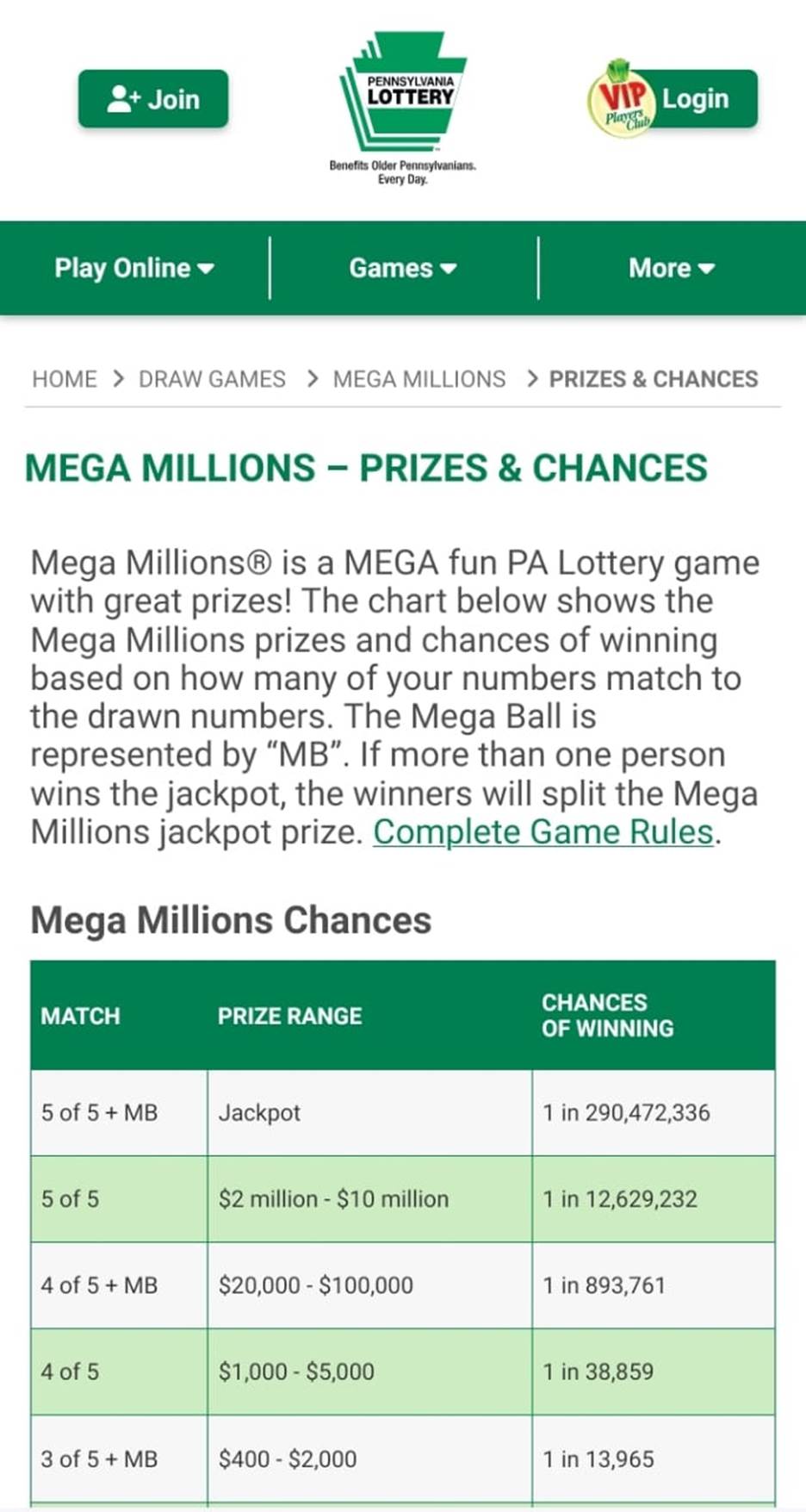
- Mega Millions: 12,103,014 white-ball combinations × 24 gold balls = 290,472,336.
- California Lottery SuperLotto Plus: 5 of 47 + 1 of 27, 1 in 41,416,353
- Georgia Fantasy 5: 5 of 42, 1 in 850,668
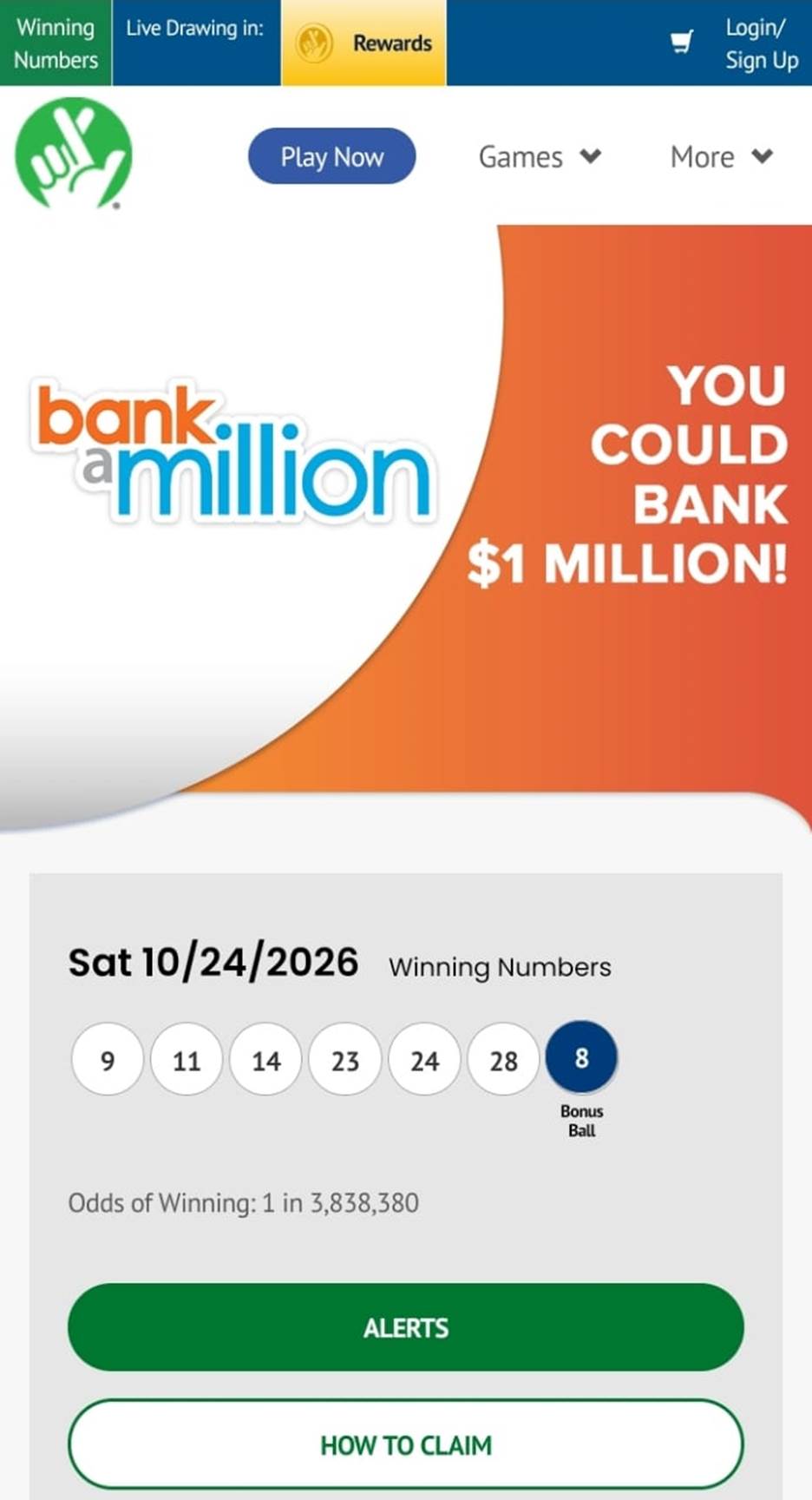
- Kentucky Cash Ball 225: 4 of 35 + 1 of 25, 1 in 1,309,000
- Pennsylvania Treasure Hunt: 5 of 30, 1 in 142,506
What Is Expected Value and Why Does It Matter to Lottery Players?
Expected value is the average return of a lottery ticket once you weigh every prize tier. To calculate, multiply the probability by the payout for each prize, add the results across all prize tiers, then subtract the ticket cost.
It pays to know EV because it can account for split jackpots and taxes. Annuity vs cash payout matters too, because the cash option pays less up front than the advertised annuity. Check current tax treatment with a tax professional or your state lottery’s official site.